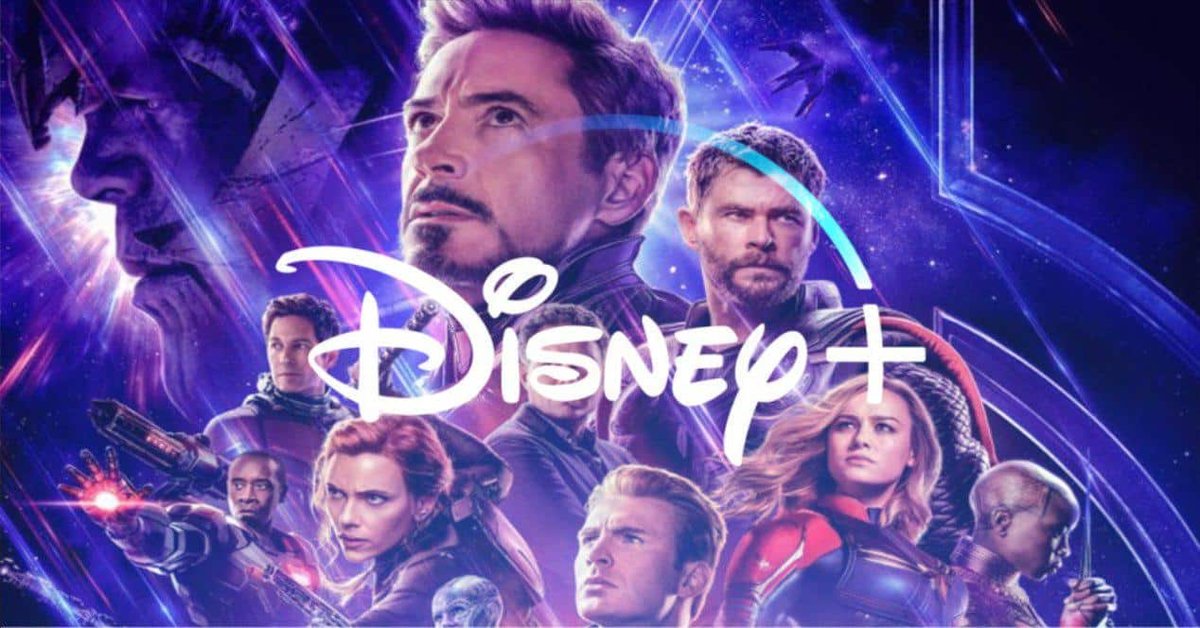
The landscape of superhero storytelling has undergone a dramatic transformation in recent years, nowhere more evident than in the Evolution of Marvel Disney+ Release Models. What began as an ambitious extension of the Marvel Cinematic Universe (MCU) onto the small screen has evolved significantly, adapting to everything from global pandemics and industry-shaking strikes to internal creative recalibrations and audience feedback. It’s a fascinating case study in how a media giant navigates unprecedented challenges while striving to maintain its narrative dominance.
From the weekly watercooler moments of WandaVision to the full-season drops of upcoming series like Echo, Marvel Studios' approach to delivering its streaming content has been anything but static. This isn't just about dates shifting; it's a strategic dance designed to manage production complexities, maintain quality, and keep an increasingly discerning audience engaged without succumbing to fatigue.
At a Glance: Marvel Disney+ Release Models
- Initial Vision: Launched with Phase Four in 2021, Disney+ shows aimed for cinematic quality, directly tying into the MCU film narrative, primarily with weekly episodic releases.
- Early Successes & Lessons: WandaVision, Loki, and The Falcon and The Winter Soldier proved the model, but the rapid pace led to production strains and occasional audience burnout.
- Major Disruptions: The COVID-19 pandemic, followed by the WGA and SAG-AFTRA strikes, caused significant, cascading delays across the entire slate, forcing widespread rescheduling.
- Strategic Recalibration: Disney CEO Bob Iger and Marvel's Kevin Feige announced a conscious reduction in content output, prioritizing quality over quantity (aiming for 2-3 films and 2 series per year).
- Release Model Shifts: While weekly releases remain an option, Marvel has experimented with multi-episode premieres and even full-season drops (e.g., Echo) to optimize audience engagement and visibility.
- Creative Reset: Adjustments include shelving the Kang storyline, seeking new overarching villains, and undertaking creative retreats to map out a more cohesive 10-year plan.
- The Rise of Animation: Animated series like What If...? and X-Men '97 play an increasingly important role in expanding the universe and managing live-action production timelines.
The Grand Experiment: Marvel's Initial Foray into Streaming
Before Disney+ became the dedicated home for MCU series, Marvel's television ventures were a more scattered affair. From Agents of S.H.I.E.L.D. on ABC to the gritty Netflix Defenders saga (Daredevil, Jessica Jones, Luke Cage, Iron Fist), Marvel Television operated somewhat independently from Marvel Studios, often hinting at film events without direct character crossovers. This era, though rich in its own right, often left fans yearning for truly integrated storytelling.
That all changed dramatically in 2019. With Disney's acquisition of 21st Century Fox assets and the subsequent integration of Marvel Television into Marvel Studios, Kevin Feige took the reins of all MCU content. The launch of Disney+ provided the perfect platform for this consolidated vision. The Phase Four slate, announced in July 2019, promised a new era: "television event series" that would be as crucial to the MCU narrative as the films themselves.
The initial release model for these flagship shows, starting with WandaVision in January 2021, was a weekly episodic drop. This mimicked traditional television and cable release patterns, aiming to foster "watercooler" conversations and keep subscribers engaged over several weeks. It was a strategy designed to build anticipation, allow for deeper character exploration, and provide the high-quality, cinematic experience that fans had come to expect from Marvel Studios, albeit on a streaming service. Shows like The Falcon and The Winter Soldier, Loki (which quickly became a fan favorite and earned a second season), and Hawkeye followed suit, establishing a rhythm of continuous Marvel content.
Navigating Unforeseen Headwinds: Challenges and Adjustments
The ambitious initial roadmap, however, quickly met the harsh realities of global events and production complexities. The COVID-19 pandemic brought film and television production to a standstill worldwide, leading to the first significant wave of delays. Sets closed, post-production facilities faced new logistical hurdles, and the entire entertainment industry had to adapt on the fly.
Just as the industry began to recover, another seismic event struck: the WGA (Writers Guild of America) and SAG-AFTRA (Screen Actors Guild – American Federation of Television and Radio Artists) strikes in 2023. These industrial actions, fighting for fair compensation and protections in the streaming era, halted most productions entirely. For Marvel, a studio with multiple massive projects in various stages of development and production, the impact of recent Hollywood strikes was profound. Shows like Daredevil: Born Again saw their 18-episode season pushed back an entire year, while others like Wonder Man were removed from the schedule entirely.
Beyond external factors, Marvel also faced internal challenges. The sheer volume of content released in Phase Four—with multiple films and series often overlapping—led to concerns about "superhero fatigue" and "diluted focus." Disney CEO Bob Iger publicly acknowledged this in July 2023, stating that the studio would reduce its content output due to underachieving films and a potential strain on audience attention. This was a direct acknowledgment that more wasn't always better, and that the rapid-fire release schedule might be hindering, rather than helping, the overall MCU narrative.
Adding to the complexity was a significant creative reset. Following legal issues, Jonathan Majors, slated to be the Multiverse Saga's primary antagonist, Kang, was fired. This decision necessitated a rethinking of the overarching narrative, with Marvel reportedly dropping the Kang storyline and exploring new antagonists like Victor von Doom (with Robert Downey Jr. reportedly cast for Avengers: Doomsday) and Mephisto. This required substantial story revisions, further impacting release timelines and creative direction.
The Shifting Sands of Release Models: From Weekly to Batch
The early Marvel Disney+ series almost exclusively adopted a weekly release model. This strategy fostered a sense of community, encouraged in-depth discussions, and allowed time for fan theories to percolate between episodes. It was successful in driving conversation and maintaining sustained engagement over several weeks, mimicking the traditional television experience.
However, as the slate grew, and with the added pressure of delays and the need for new strategies, Marvel began to experiment. For example, Echo, originally slated for a mid-2023 release and then November 29, 2023, was re-slated for January 10, 2024, with a significant change: all five episodes were planned for a full-season drop. This "binge-release" model, while popular on other streaming platforms, was a notable departure for a live-action MCU series.
This shift presents both opportunities and challenges. A full-season drop allows viewers to consume the entire story at their own pace, potentially leading to immediate gratification and a deeper immersion in the narrative without cliffhanger waits. It can also generate a quick, intense burst of conversation. However, it risks reducing the long-tail engagement and the sustained cultural impact that weekly releases often foster. The challenge for Marvel and Disney+'s broader content strategy will be finding the right balance for each individual series, considering its length, complexity, and target audience.
A Refined Vision: Marvel's Strategic Recalibration
The strategic shifts announced by Marvel and Disney in late 2023 and early 2024 mark a pivotal moment in the MCU's streaming evolution. The core message is clear: quality over quantity. Bob Iger's commitment to releasing a maximum of "two or three Marvel films and two Marvel series per year" is a significant reduction from the peak output of Phase Four, which sometimes saw four films and half a dozen series in a single year.
This recalibrated approach aims to:
- Reduce Audience Fatigue: By spacing out releases, Marvel hopes to restore the sense of anticipation and event-level importance for each new project.
- Ensure Quality Control: A slower pace allows more time for development, production, and post-production, potentially leading to more polished and impactful storytelling.
- Strengthen Interconnectedness: With fewer projects, there's a greater opportunity to ensure each series and film truly advances the overarching narrative, avoiding filler or disconnected side stories. This is especially crucial for Marvel's ambitious Phase roadmap leading up to Avengers: Secret Wars.
- Allow for Creative Breathing Room: The creative retreat in April 2022, where Marvel Studios planned films for the next 10 years, signifies a move towards more deliberate, long-term storytelling. The decision to move away from the Kang storyline further demonstrates a willingness to adapt and refine their creative vision for the future of the Multiverse Saga.
To help audiences navigate these intricate storylines, Marvel Studios also introduced new "Marvel Animation" and "Marvel Television" banners in 2024. This simple but effective branding aims to clarify whether a series is animated or live-action, providing a clearer distinction for viewers trying to keep track of the sprawling universe.
Beyond Live-Action: The Rise of Marvel Animation on Disney+
While live-action series often grab the headlines, the role of animation in Marvel's Disney+ strategy has become increasingly vital. The creation of Marvel Studios Animation in July 2021 signaled a serious commitment to this medium.
- What If...? was the first major animated MCU series on Disney+, exploring alternate realities and proving the appetite for animated storytelling that ties directly into the cinematic universe. Its second season arrived in December 2023.
- X-Men '97 represents a significant cultural moment, acting as a direct continuation of the beloved 1990s animated series. Delayed from late 2023 to early 2024, its anticipated release highlights Marvel's intent to leverage its acquired IP in new, exciting ways.
- Spider-Man: Freshman Year (November 2024) offers an animated prequel, delving into Peter Parker's early days and providing opportunities to explore stories that might not fit the live-action film schedule. A second season, Spider-Man: Sophomore Year, is already commissioned, indicating a long-term commitment.
This the expansion of Marvel Animation is not merely about children's content. It's a strategic move to tell different kinds of stories, explore diverse art styles, and potentially introduce characters or concepts that would be cost-prohibitive or logistically complex in live-action. Furthermore, animation offers a flexible production pipeline, often less susceptible to the same delays that plague live-action shoots, making it a valuable tool in maintaining a consistent content flow.
What to Expect Next: The Future Landscape
Looking ahead, the Marvel Disney+ release model is settling into a more predictable, albeit less frequent, rhythm. The current slate of announced projects provides a clearer picture of this refined strategy:
- Echo: January 10, 2024 (full-season drop, likely testing a new model for audience engagement).
- X-Men '97: Early 2024 (a crucial animated revival).
- Agatha: Darkhold Diaries: September 19, 2024 (a highly anticipated magical spin-off, demonstrating Marvel's commitment to fan-favorite characters).
- Spider-Man: Freshman Year: November 2024 (the final MCU Disney+ show of the year, cementing animation's role).
- Daredevil: Born Again: January 2025 (an 18-episode season, reflecting the ambition for deeper storytelling and a return of a beloved character).
- Ironheart: September 2025 (a technological marvel, continuing the legacy from Black Panther: Wakanda Forever).
Projects like Wonder Man remain undated, indicating that not everything announced will necessarily see the light of day, or at least not anytime soon. This more selective approach is part of the overarching strategy to ensure each project resonates.
The "Mutant era," officially beginning with Deadpool & Wolverine in 2024, will undoubtedly extend its influence to Disney+ as well. Expect future series to explore the vast array of characters acquired from the Fox merger, further diversifying the MCU's narrative threads. With Thunderbolts* expected to conclude Phase Five in 2025 and The Fantastic Four: First Steps beginning Phase Six, the streaming arm will undoubtedly play a crucial role in bridging the gaps between these cinematic milestones.
Your Guide to Navigating the Evolving MCU
The journey of Marvel's Disney+ release models has been a dynamic one, marked by audacious ambition, significant hurdles, and intelligent adaptation. For you, the dedicated fan, understanding this evolution is key to enjoying the MCU experience fully. Gone are the days of a seemingly endless cascade of content; in its place is a more deliberate, curated approach aimed at maximizing impact and minimizing burnout.
Here's how to navigate this evolving landscape:
- Manage Expectations: Embrace the new rhythm. Fewer projects mean more time to savor each one.
- Focus on Quality: The renewed emphasis on quality over quantity suggests that future releases will be more impactful and essential to the overarching narrative.
- Stay Informed: Follow official Marvel and Disney+ announcements for the most accurate release windows and strategic shifts.
- Engage with Variety: Don't overlook the animated series; they are integral to the expanding universe and offer fresh perspectives.
- Revisit the Classics: With fewer new releases, it's a perfect time to re-engage with past MCU films and series on Disney+, appreciating the intricate connections that form the foundation of this shared world.
Ultimately, the Explore Marvels Disney+ strategy is a testament to Marvel Studios' commitment to long-term storytelling. By adapting to challenges, embracing creative flexibility, and prioritizing quality, they aim to ensure the MCU continues to captivate audiences for years to come, no matter how the release model shifts. The next chapter of Marvel on Disney+ promises to be more focused, more intentional, and hopefully, more rewarding than ever before.